
Phonics must be taught to students in grades pre-K through third grade in all New York State (NYS) schools beginning in the fall of 2025.
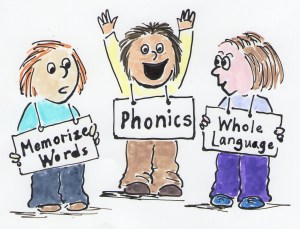
This emergency directive by the NYS Board of Regents requires all public school districts to review how reading is taught in their districts. It requires NYS districts to make necessary changes so that phonics is taught to pre-primary and primary grade students next September.
In particular, districts must teach six concepts associated with reading:
- phonemic awareness (the ability to hear individual sounds in a word such as the sounds K A T in the word “cat”),
- phonics (the ability to put together individual sounds to form words),
- fluency (the ability to read words accurately, at a reasonable pace and with expression),
- comprehension (the ability to understand what is read)
- vocabulary (the ability to understand the meaning of words and to integrate new words into reading), and
- oral language (the ability to listen and to speak).
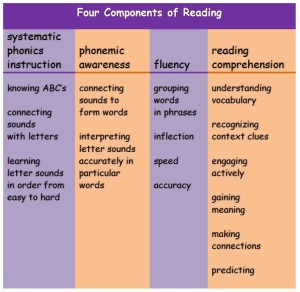
Click on the picture to enlarge it.
This emergency action by the NYS Regents comes because almost a third of students cannot figure out new words by fourth grade. They have been taught to memorize sight words and high frequency words. But they have not been taught how to sound out new words. As a result, about a third of students can’t read fourth grade texts.
The NYS Regents is authorized by law to oversee all educational activities in NYS.
Nearly 25 years ago a federal study of research on reading showed that knowing phonemes and phonics is fundamental to learning to read. Yet many teacher training programs and district curricula do not focus on teaching phonemes and phonics. Last year the Regents encouraged school districts to teach phonics but resistance was strong. Now the Regents has mandated it.

 Many community colleges and four-year colleges in the US offer remedial reading and writing classes to incoming freshmen to raise lagging students to the base level expected for beginning freshmen. These remedial courses offer no credit, so by the end of freshman year, students who pass these classes will not have accumulated the 30 or so credit hours expected for the first year of college education. These students’ chances of graduating in two years from community colleges and four years from traditional colleges and universities are almost impossible. And this means that many poor readers and writers drop out and never earn a college degree.
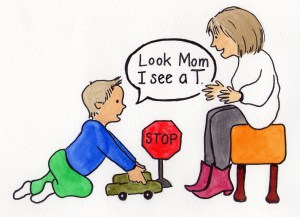

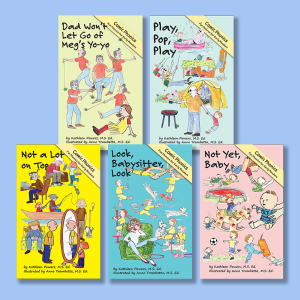


 comicphonics for early readers